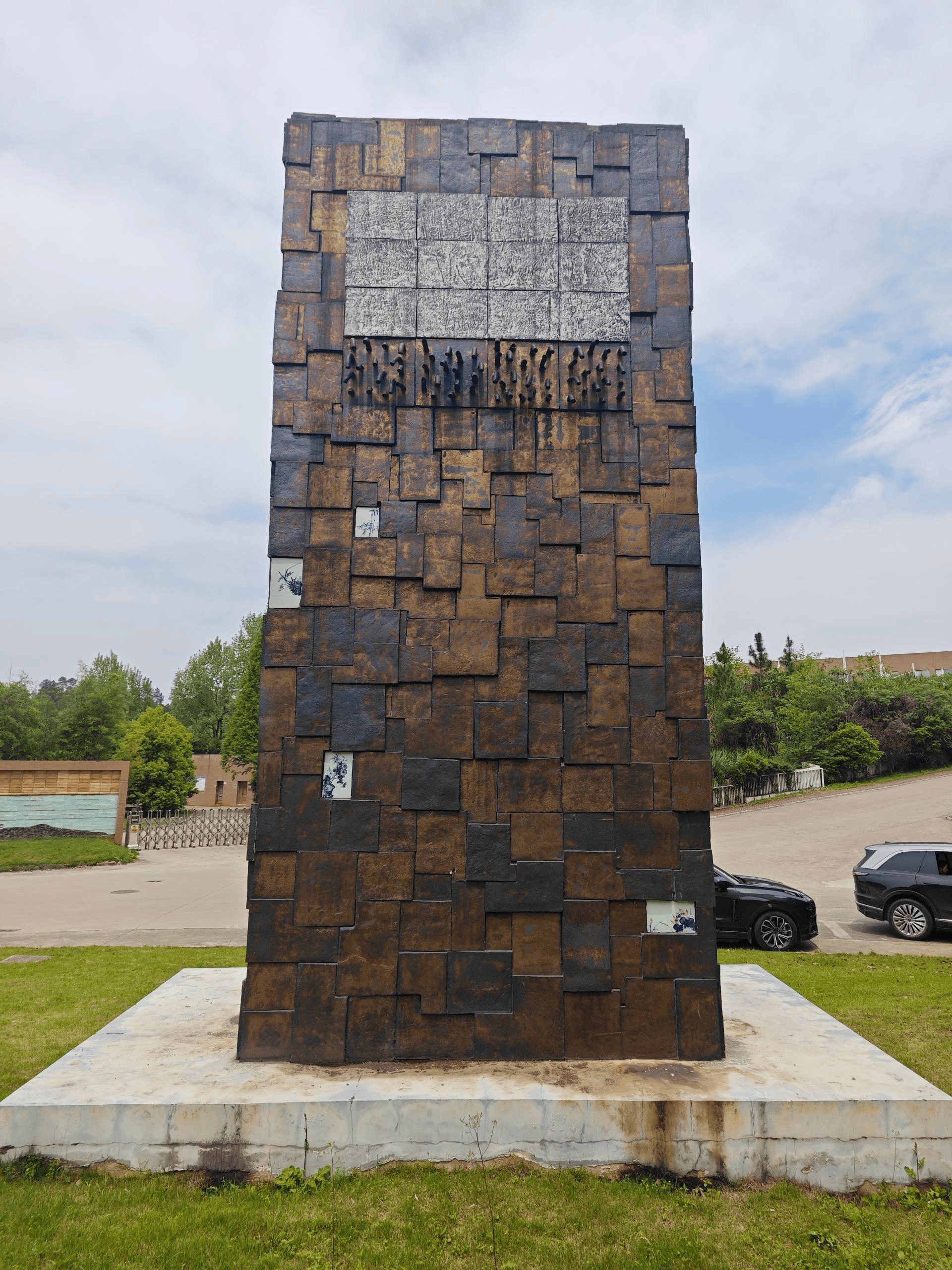
Porcelain work shows a exceptional field type with a vast heritage, reaching back multiple of times. From ancient receptacles to up-to-date installations, the substance offers unique possibilities for creative rendering. Designers manipulate diverse techniques – including molding, wheel manipulating, and advanced firing processes – to shape humble soil into pleasing three-dimensional pieces. The permanence of fired stoneware also contributes to its status as a truly memorable part of human society.
Exploring Earthenware Marker Layouts and Ways
The world of ceramic tile design offers a expansive array of imaginative possibilities. Artisans often exercise a assortment of ancestral and innovative techniques to create visually striking pieces. These can extend from simple, molded reliefs to complex, multi-layered layouts. Standard methods include template molding, hand building, glazing – which can involve multiple types like primary coloration, surface glaze ornamentation, and etched pattern where designs are brought out by peeling off a layer of enamel. Supplementary examination into overlay methods such as quick baking and metallic glaze can bring about truly exceptional and tailored earthenware tiles.
- Slip Casting - Assembling pieces using a model
- Physical Construction - Meticulously shaping the soil
- Coating - Coating the surface with a smooth finish
- Etched illustration - Disclosing designs by taking away layers
Mesmerizing Experiences: Terracotta Art Displays
The evolving landscape of culture presents exciting cutting-edge avenues for participants, and ceramic art installations are at the forefront of this transition. These aren't just static objects; they are designed to envelop the audience member in a sensory setting. Imagine stepping into a forest of towering, embellished ceramic trees, or navigating a tangle of fragile ceramic vessels. Many sculptors are now incorporating sonics, light, and even essence to enhance the impact of their work. Contemplate the power of a room filled with hundreds of meticulously ceramic items, each telling a legend. Regularly, such installations probe themes of natural world, memory, and mankind.
- These installations blur the frontiers between creation and setting.
- Encountering a ceramic art installation can be a deeply transformative journey.
- Makers are transporting the constraints of what is accomplishable with clay.
That Radiance of the Pottery Vessel: Use and Configuration
The earthenware holder represents a wonderful integration of practicality and creative appeal. Historically, these pots served a essential mission in holding plants, but their maturation has transformed them into highly valued works of craft. Each work showcases the dexterity of the craftsman, demonstrating how configuration can be as meaningful as purpose. The attentive shaping, the one-of-a-kind glazes, and the general presence of a skillfully-formed receptacle can elevate a space, offering both charm and a quiet reminder of the craftsman’s hand.
State-of-the-art Pottery Work : Reaching Perimeters
Modern earthenware creation represents a fascinating transformation from traditional practices. Creators are energetically challenging with modern techniques, questioning the boundaries between artwork and distinct aesthetic spheres. From large installations to detailed miniature pieces, these kinds of works delve into themes of individuality while in unison remodeling the basic of what brick can demonstrate. The resulting is a dynamic landscape of artistic design.
Clay Tablet: Maintaining Tradition in Earth
Clay plaques offer a distinctive method for recording significant events and figures. Differing from traditional metal or stone markers, these long-lasting pieces of craftsmanship are formed from fired clay, creating a tangible Portable Travel Cup Set link to the olden times. Typically, they highlight intricate models or delicately designed imagery, communicating stories that might otherwise be disregarded. These technique, traceable to ancient cultures, provides a aesthetically pleasing and lasting way to acknowledge our collective heritage.
- The aforementioned can be positioned in communal spaces.
- Many are now recognized historical remnants.
Stoneware Art Creations: Transforming Places
Stoneware art installations are developing a potent medium for makers to reinvent public and private spaces. These immersive designs frequently involve expansive clay designs that absorb viewers, altering their experience of the built environment. By integrating diverse approaches like slab forming and comprehensive firing procedures, ceramic artists generate truly original experiences, removing the lines between form and structure. The result is often a strong shift that raises the stylistic quality of the area and develops conversation.
Inception Spinning Device to Awe: The Skill of the Brick Jar
The journey of a ceramic urn from a simple lump of clay to a refined work of production is a testament to human talent. Traditionally, the process launches with the potter’s wheel, where the proficient artisan constructs the whirling loam into a cylindrical structure. This beginning phase demands sharpness and a disciplined eye, followed by a delicate curing period. Once soft-fired, the pot is ready for enhancement, which may embrace applying intricate sketches, carving detailed views, or implementing a variety of varnishes. The closing firing process then modifies the product into a durable and eye-catching container, a tangible expression of the builder's talent.
Modeling with Terracotta: A Tutorial to Pottery Creation
Engaging the landscape of ceramic creation begins with comprehending the cornerstones of fashioning with clay. The procedure demands precisely composing and subtracting mass to build three-dimensional artifacts. Regardless of you're a apprentice or a accomplished practitioner, experimenting with various kinds of ceramic material – for example terracotta – will support you detect your original manner. In conclusion, porcelain shaping is a valuable undertaking that connects dexterous mastery with inspired expression.
Comments on “Are you maximizing Ceramics as a tactile touchpoint in your brand experience?”